 IntelligentMachinesIntelligentMachines
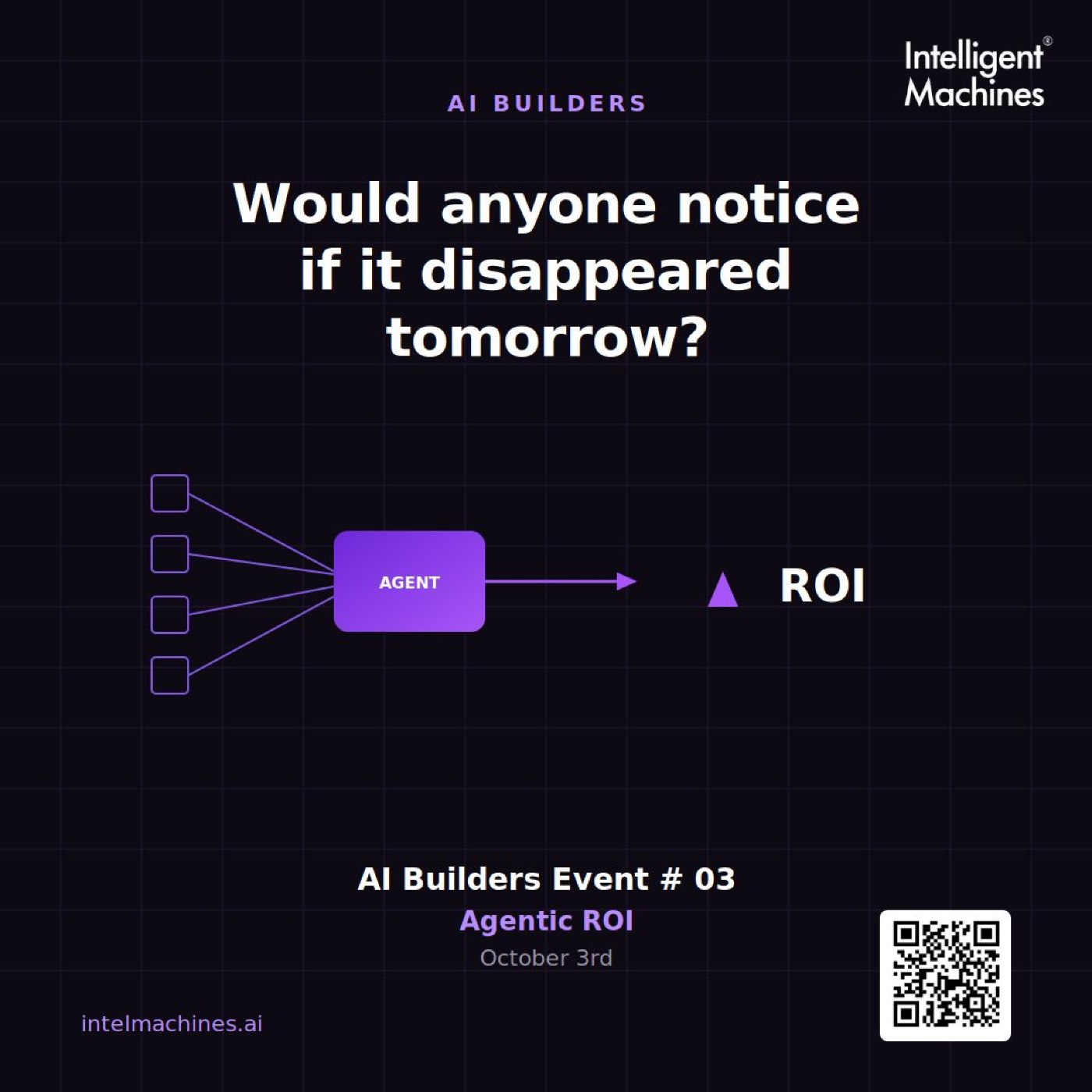
Would anyone notice if your agent disappeared tomorrow?
The demo works. The build gets praised. A few months later, usage quietly drops to zero and nobody calls it a failure, because nothing broke. It just stopped mattering.
The agents that last have one thing in common: someone can point to exactly what they replaced and what they saved, in time, cost or steps. Not a demo story, a number.
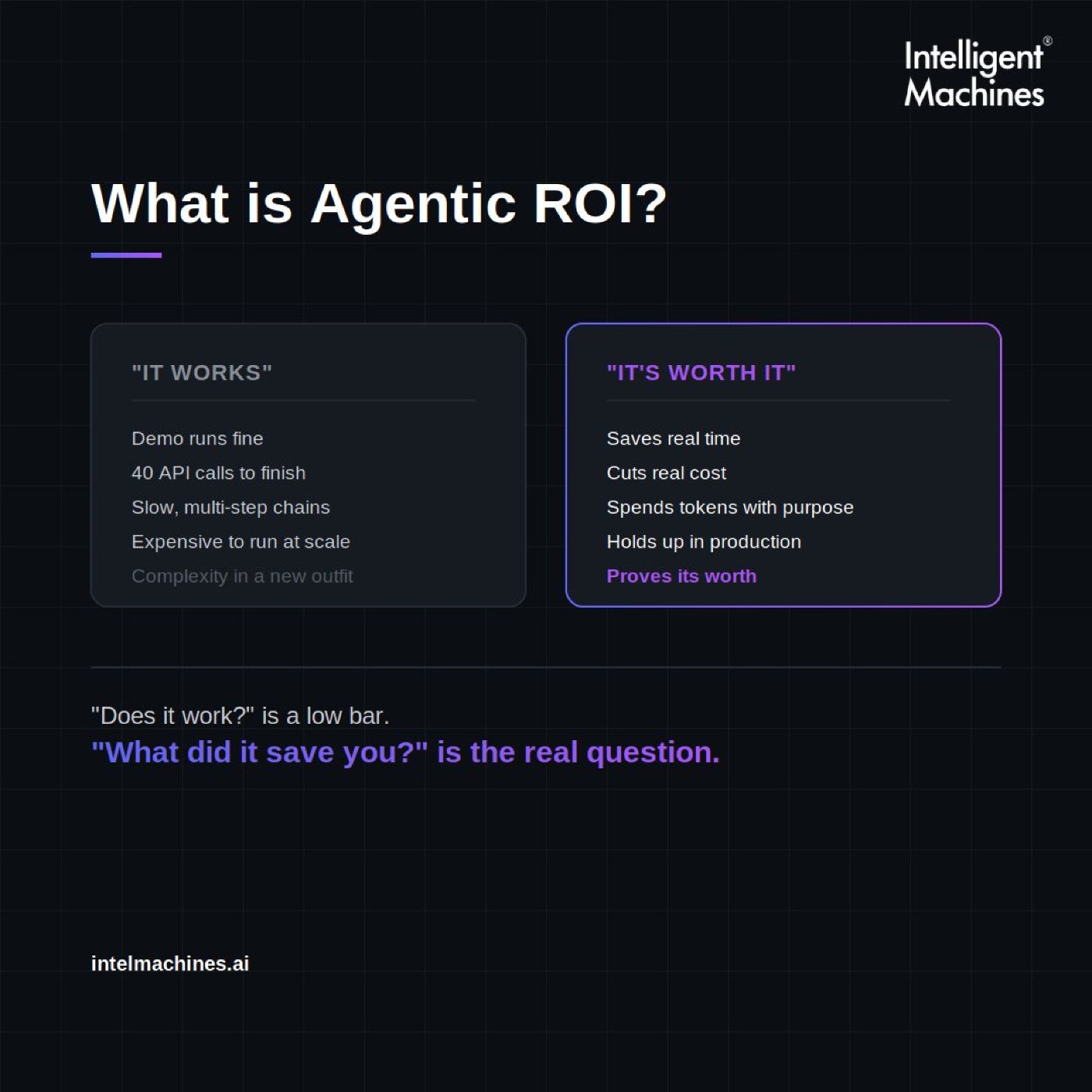
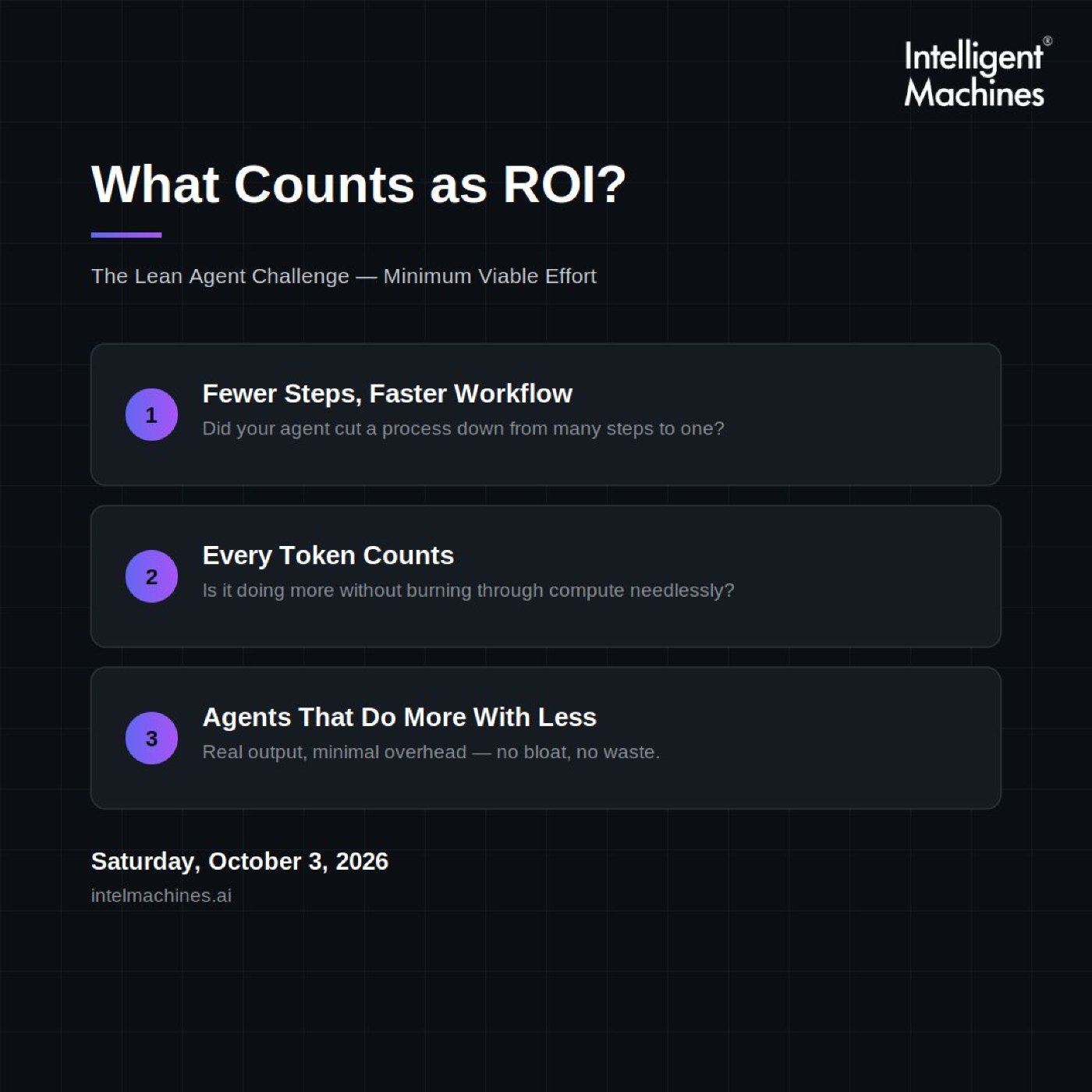
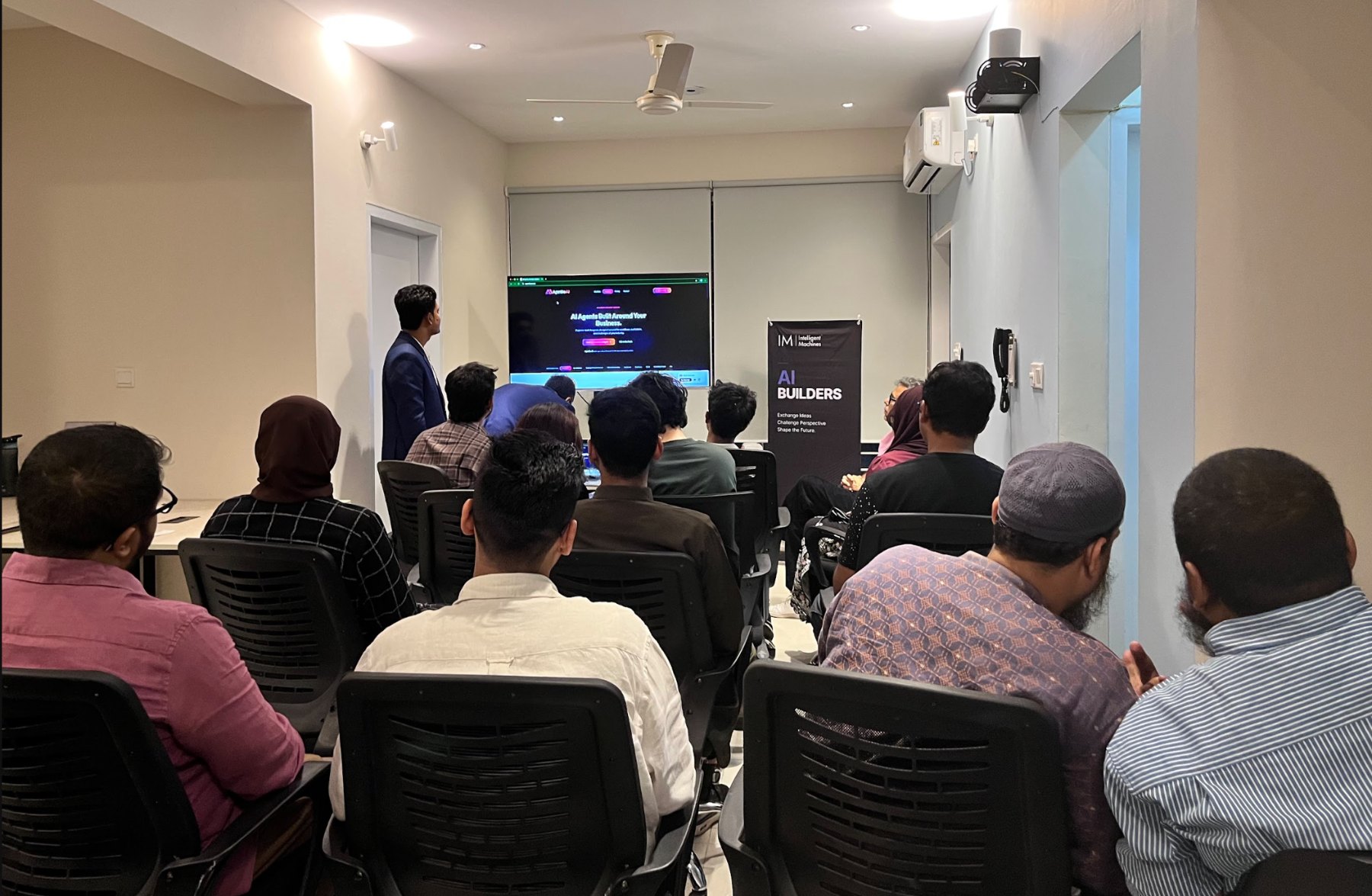
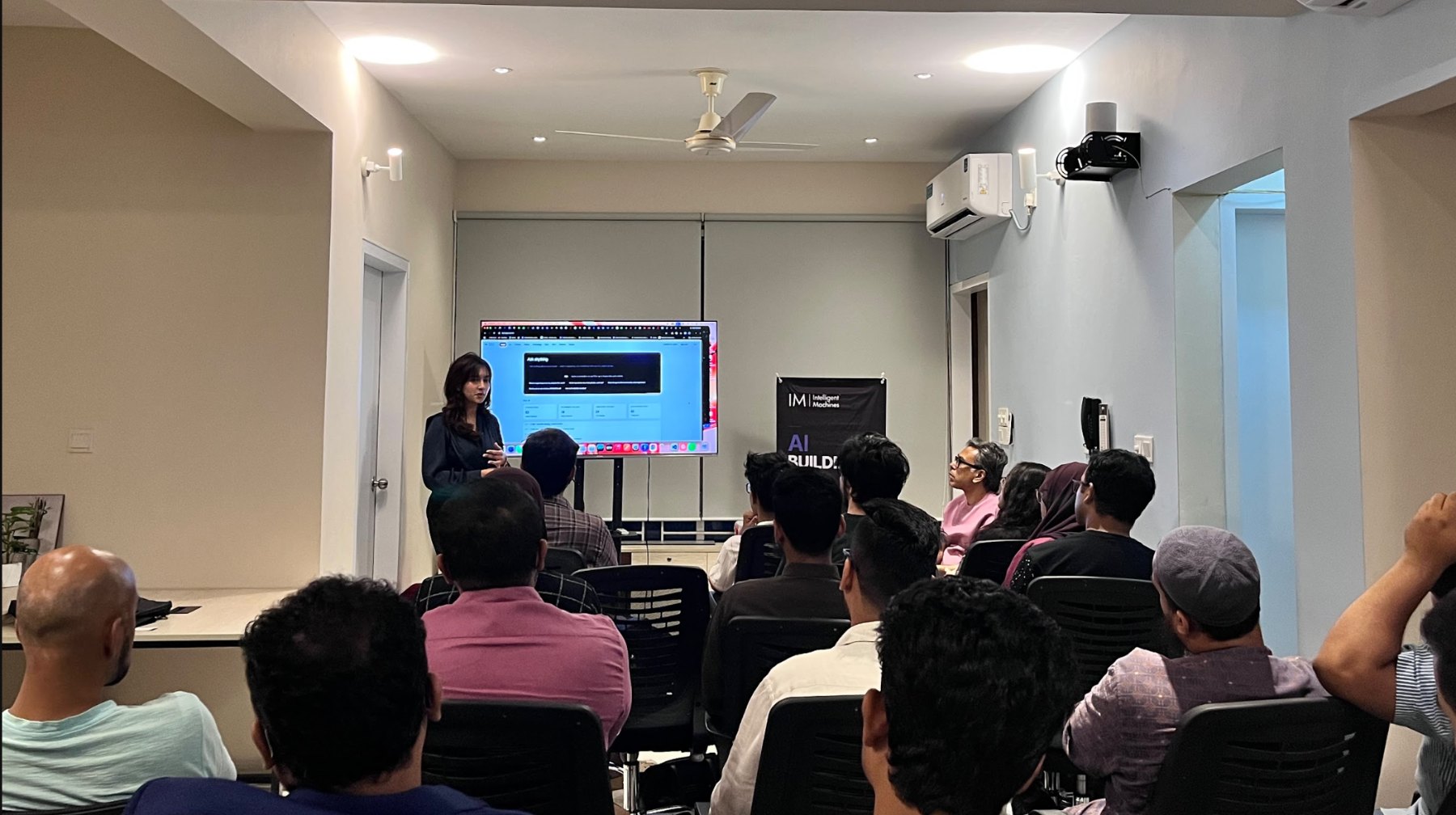
That was the test behind Event #03. Agentic ROI means measuring an agent by what it actually returns: time saved, cost reduced, or tokens spent with purpose instead of waste.
A demo can work in a controlled setting and still be too expensive, too slow or too fragile to run in production. An agent that needs 40 API calls, three retries and a slow multi-step chain to finish a task isn’t necessarily progress. It may just be complexity in a new outfit. The better question: what did it save you, compared with doing it by hand or with a simpler tool?
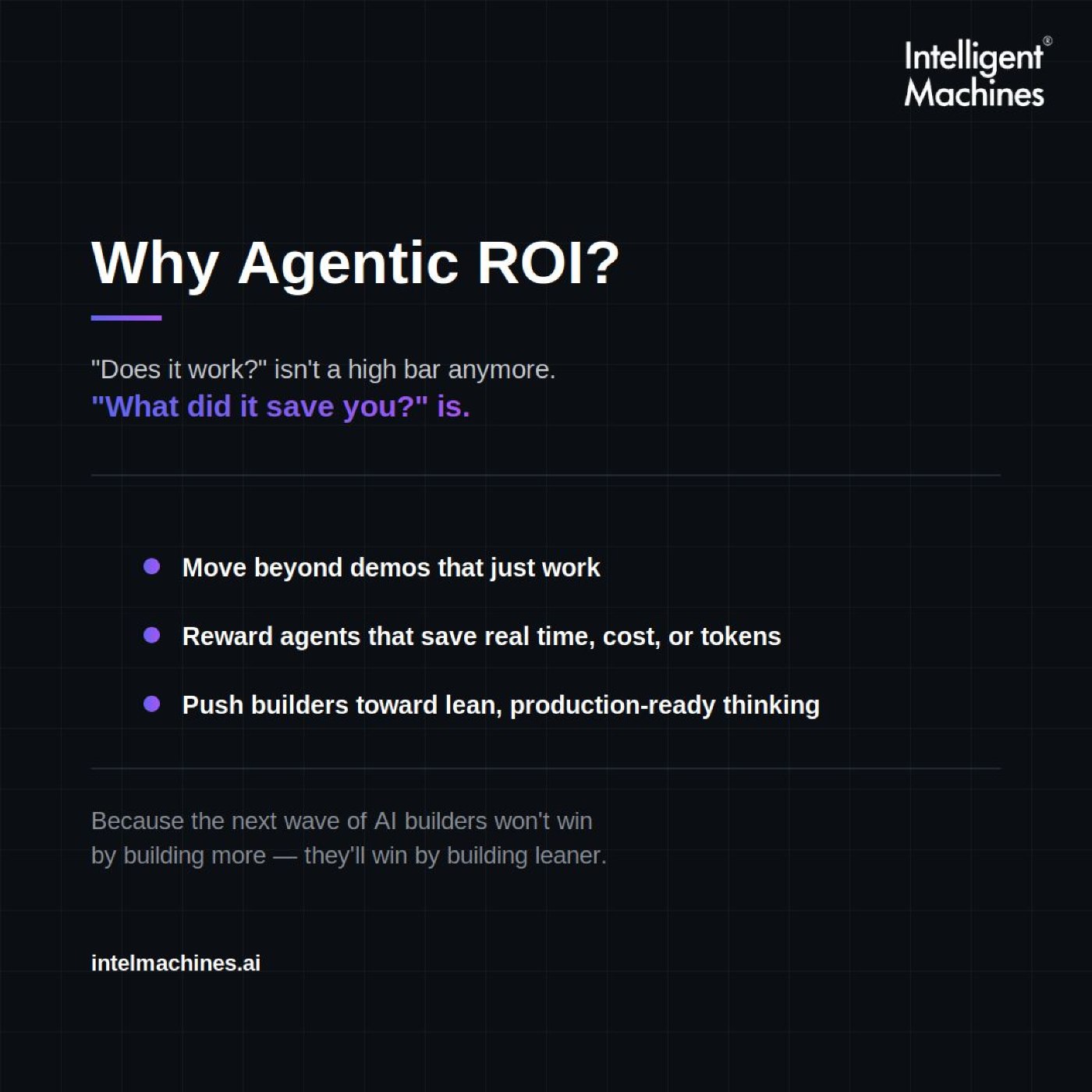
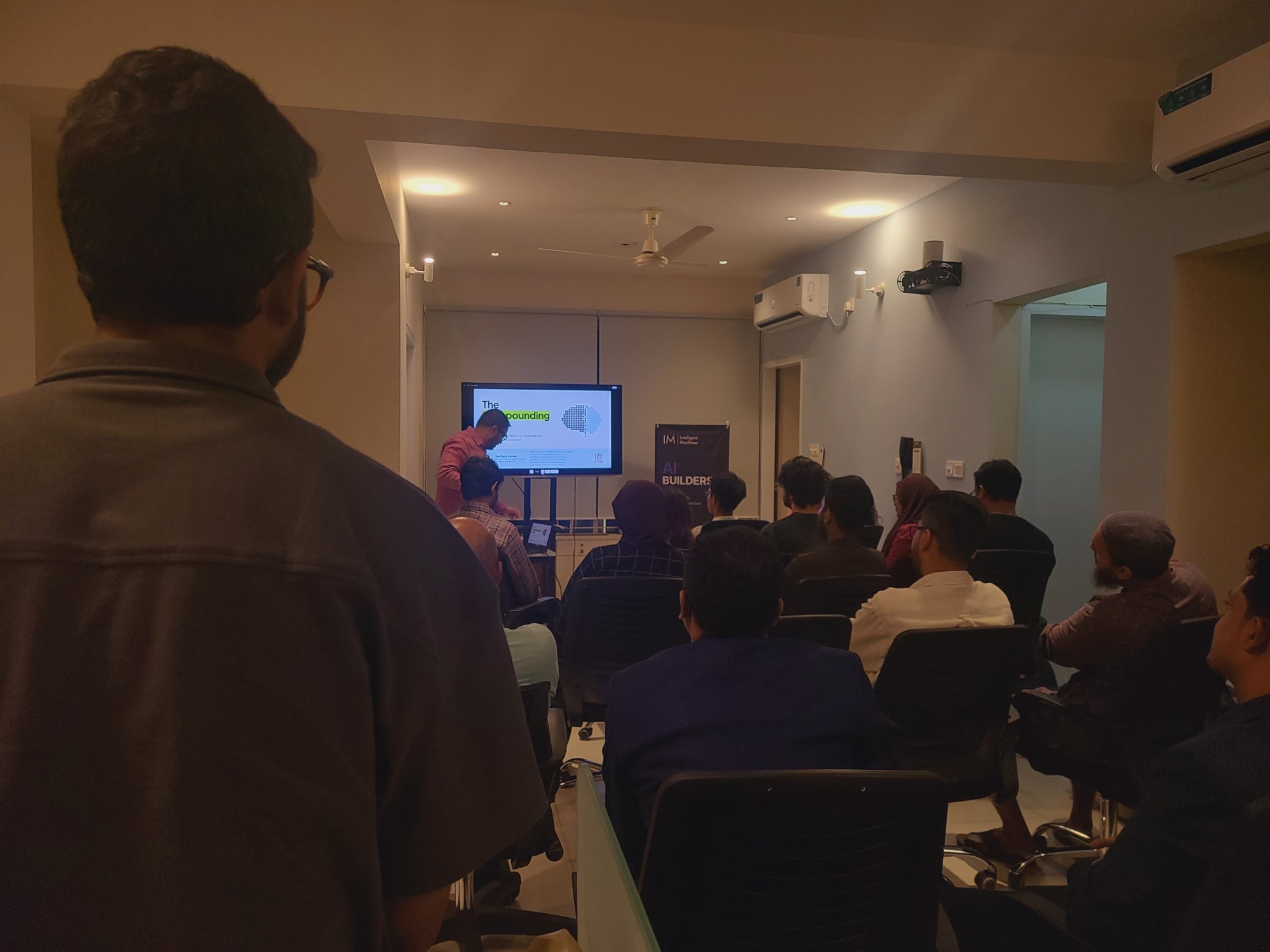
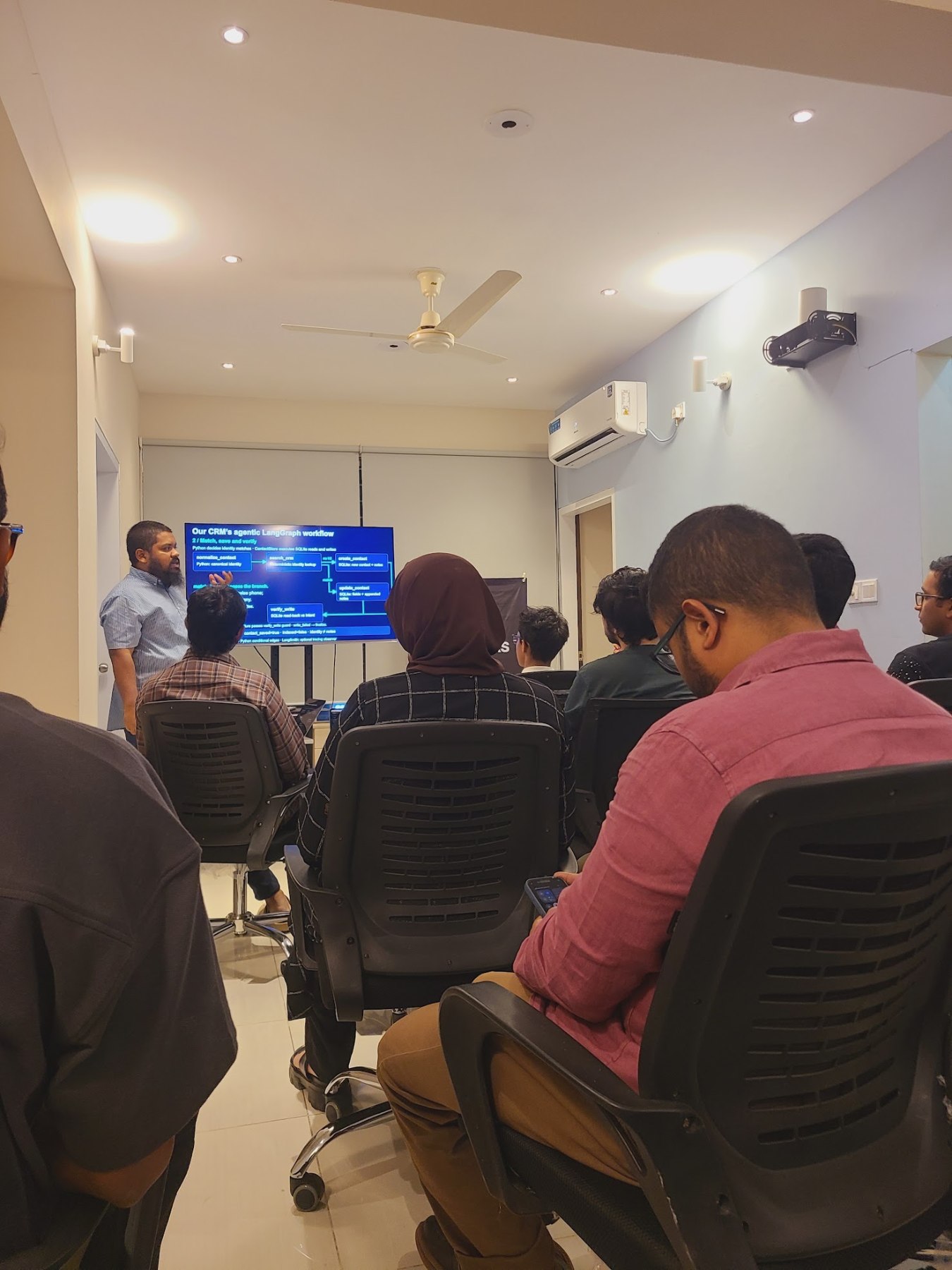
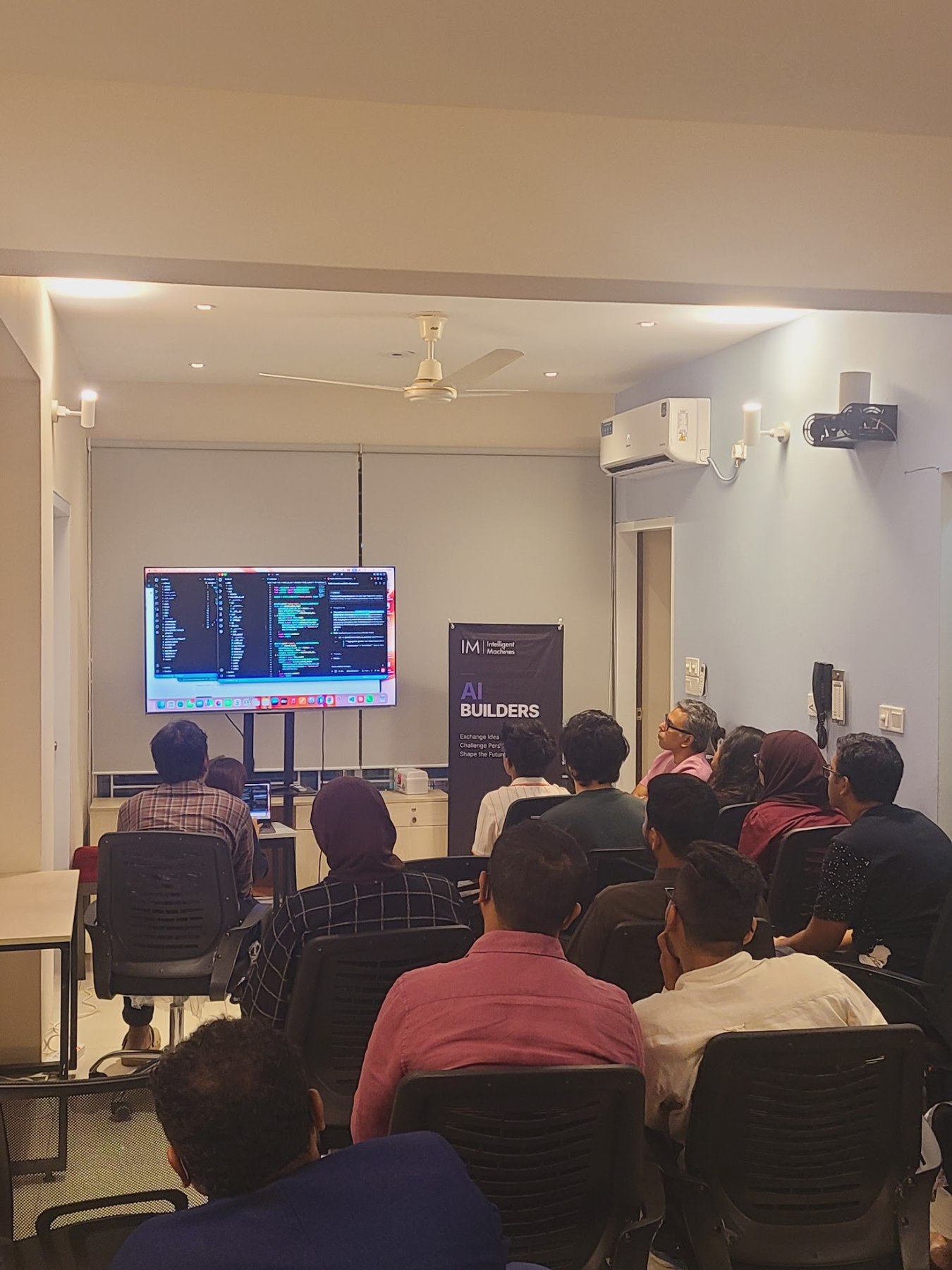
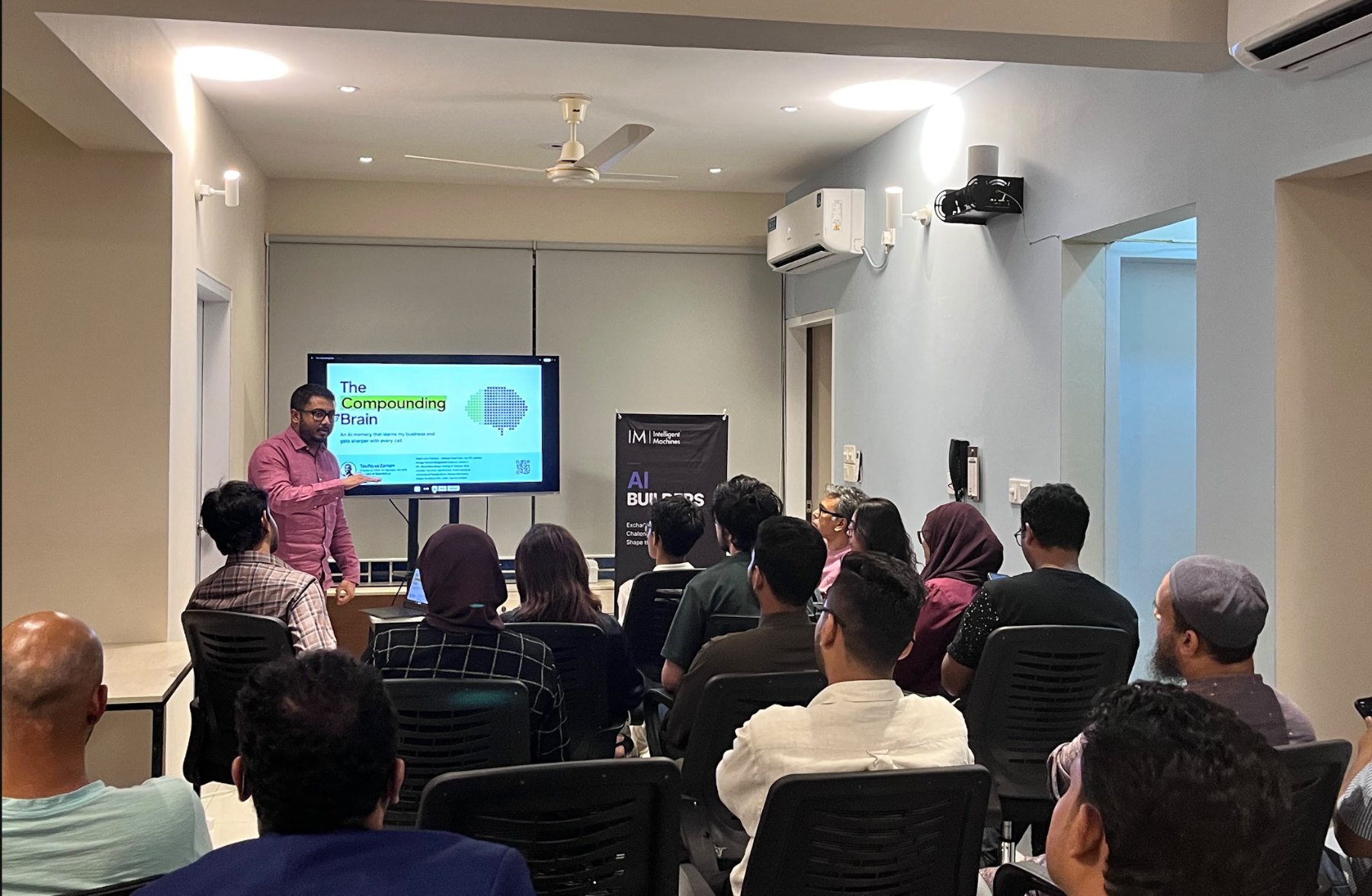
Builders were asked to bring an agent and its before-and-after numbers. Three things counted.
If a task took five manual steps, three tools and two people checking each other’s work, and the agent turns it into one clean interaction, that counts. Not “can it do the task” but “how much shorter is the path now?”
Cost discipline, not raw capability. An agent that burns through 40 API calls and five reasoning steps to answer a simple question is expensive complexity. The aim is an agent that is deliberate about every call.
Real, usable output with minimal overhead. Something you could run every day, at scale, without cost or latency becoming a problem.
We wanted to see the difference, not just the demo.
December 2026 · Intelligent Machines, Dhaka

 IM Brain
 SalesPro AI
 Retail OS